

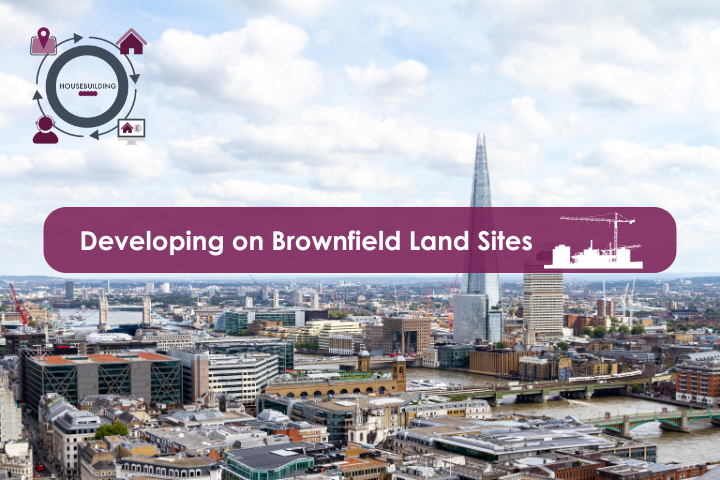
In July 2023 the Brownfield, Infrastructure and Land Fund was published, with 60% of the fund dedicated to brownfield land site development – aimed at helping councils reach their housing targets and keep their promise to get the country building again to deliver 1.5 million homes over the next five years.
Brownfield land site is classified as, “land which is or was occupied by a permanent structured” or “land previously developed on”, with several exceptions. This type of land can include:
- Former mines, landfills or quarries
- Offices or commercial buildings that are vacant
- Industrial sites that are abandoned or underutilised
- Land that has been derelict or contaminated
Brownfield land site first approach
With mixed responses on the brownfield push, many seek to build on the preferred green-belt [land under the policy to restrict urban sprawl and protecting areas by forming rings of zones to be hindered from development]; considered an easier approach to tackling housing shortage, however these are strictly controlled.
The next best bet for tackling the housing crisis if green-belt land is not available, is developing on brownfield land sites. There have been two consultations by the government focusing on brownfield land. One consultation focusing on ensuring that developing on brownfield land sites has been spearheaded greatly – ‘Strengthening planning policy for brownfield development’. The second consultation undertaken was ‘Changes to various permitted development rights’ which sought to relax some permitted development rights (PDRs) to reduce applications to local authorities to unclog planning system. Many believe that reviving brownfield land is the best and most sustainable way to build homes and re-energise our towns and cities.
Benefits of developing on brownfield land site
Brownfield land sites in most instances will have established infrastructure such as foundation, public transportation infrastructure, etc., utilities such as water, and electrical lines, and good infrastructure which could lower redevelopment costs.
These sites will have some existing buildings that may be used in the redevelopment, preventing demolition which causes stored-up carbon dioxide from being released into the atmosphere, in turn keeping carbon emissions on the build lower.
Developing on brownfields whilst cleaning up derelict sites, one revitalises the community, by providing new housing and employment opportunities for those in the area and two, businesses in the area would attract new customers through the new residents from the development.
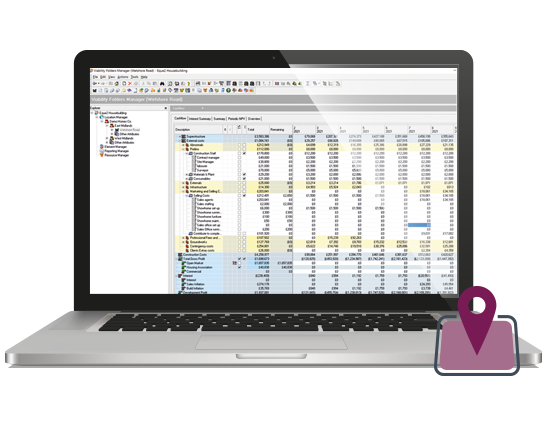
How can Eque2 Housebuilding help developers and housebuilding construction companies on their brownfield land site?
Housebuilding is a modular solution, where you can select the complete suite or build by module dependent on your needs with Land, Build, Sales and Customer Care modules to drive efficiency, accuracy and profitability into your business. Whilst searching and preparing your brownfield land sites for planning, quickly and easily assemble acquisition appraisals and catalogue your land bank opportunities for brownfield land sites. Explore the land appraisal module to get a better understanding.
To learn more about how the Eque2 Housebuilding suite or individual modules can benefit your business, click here.
Alternatively, you can arrange a free online demonstration tailored to your specific requirements by emailing us at construction@eque2.com or phoning us on 01628 702702.